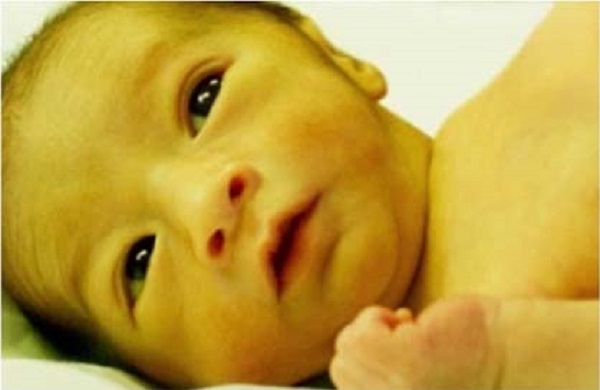
Jaundice is yellowness of a baby’s eyes and or skin. It occurs because of the high level of bilirubin in the blood. Bilirubin is a product of broken blood cell.
Jaundice is yellowness of a baby’s eyes and or skin. It occurs because of the high level of bilirubin in the blood. Bilirubin is a product of broken blood cell.
Thank you for reading this post, don't forget to subscribe!
A little jaundice is expected in many healthy full-term babies and many go unnoticed.
Possible causes of noticeable jaundice include
Prematurity: babies born before maturity (36 weeks) have more blood cells which are broken down to bilirubin. Their liver is also not mature enough to clear away the bilirubin, so their eyes and skin may become yellow.
Breastfeeding may slightly increase jaundice, but appearance of jaundice does not mean a mother should stop breastfeeding the baby.
Bleeding under the baby’s scalp (covering of the head) e.g. after difficult delivery
Mismatch between a mother and baby’s blood groups
Inherited diseases e.g. deficiency of an enzyme called glucose phosphate dehydrogenase
Infections e.g. infections in the baby, syphilis in the mother
What you can do
Though some cases of jaundice are normal (physiological), all babies with yellow eyes should be taken to hospital for proper tests and treatment. This is especially important if
The jaundice was noticed in the first day of life
The baby is weak, sucks poorly or cries inconsolably
The baby passes white stool or yellow urine
If the child has fever
Exposing the baby to sunlight reduces jaundice but this is not recommended because the baby can develop fever or skin burns in the process.
Breastfeeding the baby frequently help to reduce the level of jaundice.
Prompt treatment of a jaundiced baby is important to prevent brain damage called kernicterus and deafness.