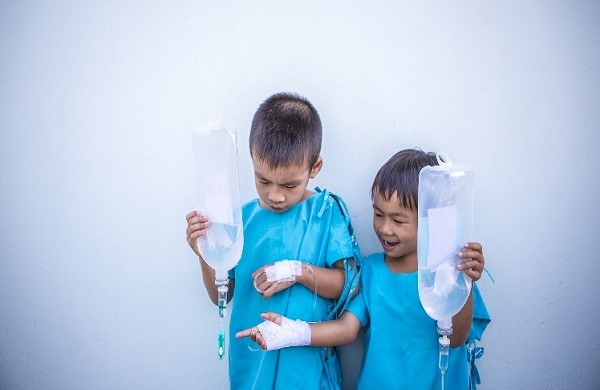
It may occur alongside diarrhea, abdominal cramps, or fever.
Vomiting (throwing-up) is a common complaint in children. It may occur alongside diarrhea, abdominal cramps, or fever.
Thank you for reading this post, don't forget to subscribe!
Common causes include;
Viral infection of the intestine, called stomach flu
Bacterial infection (ingested in contaminated food or water)
Infection in other parts of the body
Overfeeding
Intake of spicy foods
Malaria
What you can do
Because vomiting can cause dehydration, it is important to detect early any sign of dehydration. Check your child for the following signs;
Weakness, fainting
The mouth and lips may be dry
The eyes are sunken
The eyes are dry (no tear) when the child cry
The child may not pass urine or wet diapers as before
Continue to breastfeed if the child has not been weaned.
Prepare oral rehydration solution using a premixed ORT powder; follow the instructions on the sachet to prepare it, ensure you use clean water.
Give the child the ORS as tolerated, do not force-feed your child with it
If the child vomits the ORS, allow the child to rest, then give again
Other fluids can be used if ORS is not available or tolerated, such include;
Salt sugar solution; get 1 liter of clean water, boil it and let it cool. Add 6 level teaspoon of sugar and half level teaspoon of salt. Stir the mixture and give the child as tolerated.
Rice water
Coconut water
For a child that breastfeed, continue to breastfeed
Do not give the child soft drinks, sweetened fruit drinks or herbal concoction
Ensure your child is fully immunized
Except prescribed, antibiotics offer no special advantage to the child
Visit a doctor especially if:
There is a high fever
There is blood in the vomit
The vomit is greenish
The child is weak, faint, or unable to drink or eat