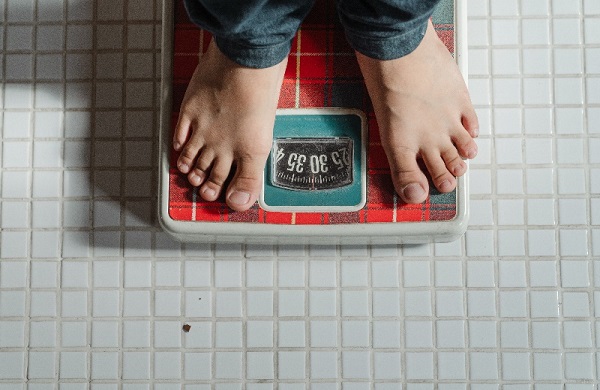
POOR WEIGHT GAIN IN CHILDREN
Your child should have a road-to-health card in which a regular record of the baby’s height and weight is kept.
A child’s growth and development depend on the child’s nutrition, environment, and genetics (the size of the parents). It is expected that a baby should double his/her birth weight by age of 6 months, and weigh triple the birth weight by age of 1 year. Your child should have a road-to-health card in which a regular record of the baby’s height and weight is kept.
Thank you for reading this post, don't forget to subscribe!What may cause poor weight gain
- Ongoing illness e.g., diarrhea, vomiting, fever, respiratory infection
- Poor nutrition; inadequate food, intake of wrong set of food, poorly prepared meal, or formula
- Poor food absorption
- Parental neglect, family strife or orphaned children
- Use of alcohol or controlled substances e.g., cocaine by the mother while pregnant
- Small stature of parents
- Birth defects e.g. baby with cleft lip/palate (abnormally formed mouth)
What you may notice
- Poor increase or actual reduction in the size of the child
- Reduction in weight
- The child’s head hair may be brown and fluffy.
- The child’s skin may be loose, dry or with rashes
- The child’s bones show prominently
- The child may have recurrent illnesses like diarrhea, chest infections.
What you can do
- Ensure exclusive breastfeeding for the first 6 months
- Prepare the child’s meal and feed in clean containers
- Ensure the child’s diet is balanced; contain protein, fats, minerals, and carbohydrate
- Monitor your baby’s weight and height
- Ensure your child is properly immunized
- Take your child to a doctor if there is any illness, and if child does not gain weight despite adequate meal intake.