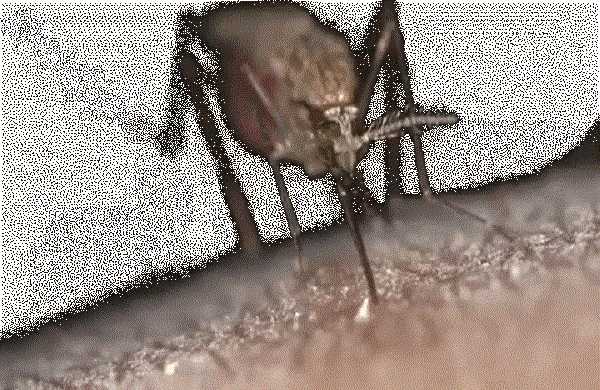
Pregnancy increases the chance of having malaria and of having the severe forms of malaria.
Pregnancy increases the chance of having malaria and of having the severe forms of malaria. Even when a pregnant woman is not sick (not having symptoms), malaria infection can harm the baby and the mother. What malaria can cause include;
Thank you for reading this post, don't forget to subscribe!
Maternal anemia ie reduction of the blood level in the mother
Preterm delivery: giving birth before the baby is mature
Poor growth of the baby; the baby may have a low birth weight
It can cause death of a baby in the womb
What the woman may notice
Some cases show no symptoms, but a woman with malaria may notice
Fever; often associated with chills
Headache
Body pain
Body weakness
Vomiting with or without diarrhea and abdominal pain
Other symptoms may include cough, passage of dark urine
What you can do
Visit your doctor for proper diagnosis and treatment. Not all antimalarial drugs are safe in pregnancy, so do not do self-medication. Ensure you use the drugs as prescribed; complete the dose even if you get better early.
Use long lasting insecticide treated nets
Use of intermittent preventive treatment (IPT), recommended by the WHO in the second and the third trimester for all pregnant women. IPT involves use of sulphadoxine –pyrimethamine e.g. fansidar at each antenatal visit, the last dose should be used before your pregnancy is 36 weeks old.
Use of pyrithemamine e.g. daraprim weekly; this is gradually being abandoned because of resistance to the drug.