

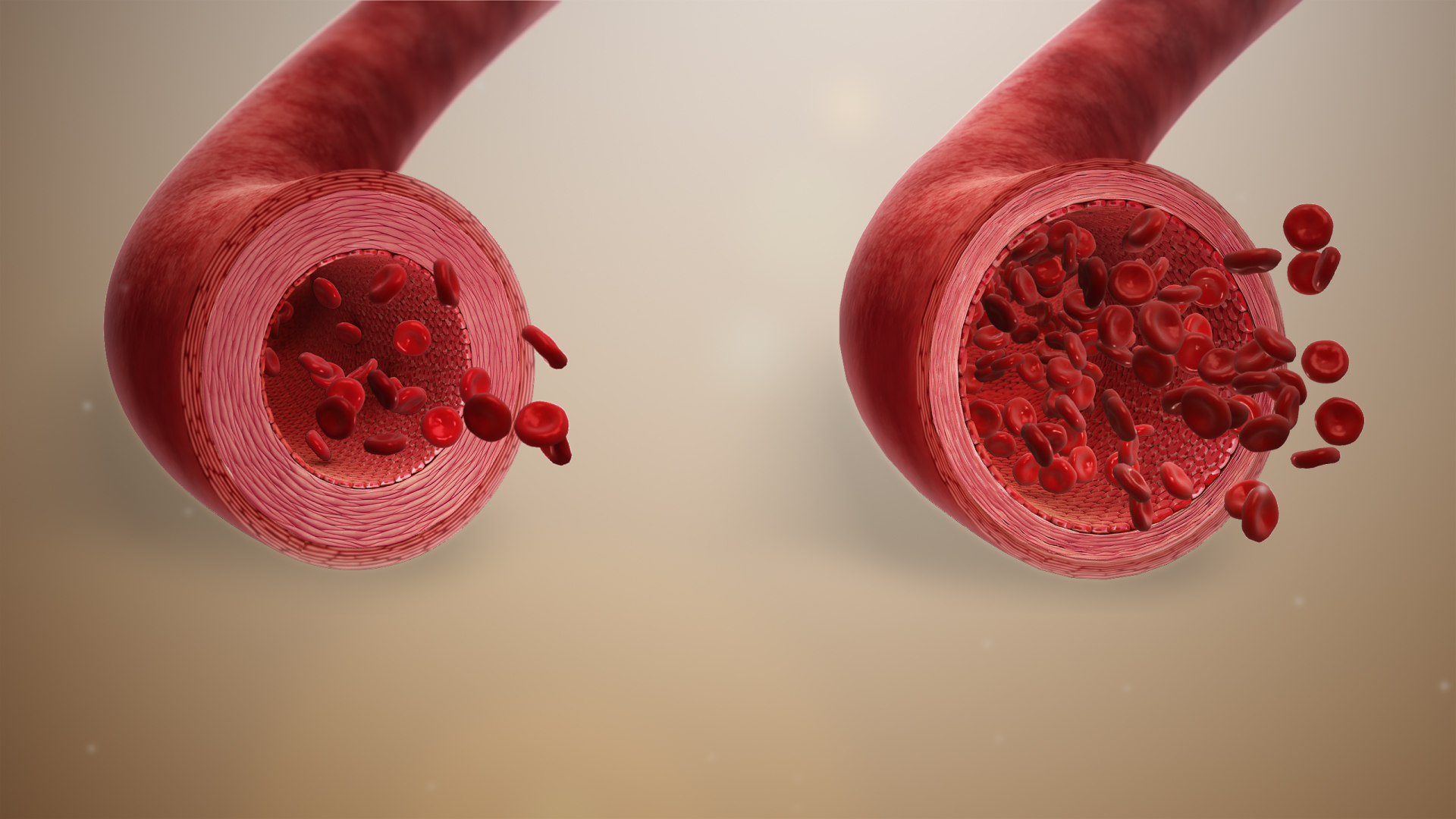
Low Blood Volume (Anemia)
Introduction
Thank you for reading this post, don't forget to subscribe!Low blood volume or anemia as it is called medically, is the occurrence of insufficient amount of red blood cells circulating in the body. Red blood cells are the main building blocks of blood and they function by carrying oxygen around our body. So, if these carriers are insufficient, our bodies suffer and start showing signs and symptoms of the consequences.
Causes
The cause of low blood volume is attributable to two factors; inadequate production and increased loss and/or demand. Inadequate production occurs mostly in disease situations and in malnutrition which mostly affects children. Increased loss which causes increased demand also occurs in disease states and in situations like menstruation and pregnancy.
At risk individuals
Individuals most at risk of having anemia, therefore, are women and children.
Signs and symptoms
There are three classifications of anemia based on signs and symptoms and laboratory test findings. These are mild, moderate, and severe anemia. The pointers to mild to moderate anemia in an individual are; easy fatigue and tiredness, fast heart rate, headache, and paleness. These are early pointers and anyone with at least two of the above symptoms must seek medical help before the situation worsens. In extreme cases, this condition causes the heart to fail and this extreme condition is recognized from the symptoms of heart failure.
Treatment
Treatment of anemia depends on the stage and classification. Mild and moderate are treated with medicines and injections, while severe cases are treated with blood transfusions.
Prevention
We can prevent this condition by targeting the at-risk individuals which are mostly women and children as mentioned earlier. Iron is an essential mineral available in our diet that acts as a building block for red blood cells. Good nutrition that incorporates sources of iron, such as red meat and dark green leafy vegetables, for both women and children, is the solution to inadequate production. Attending ante-natal care for pregnant women where they will be given supplemental iron and folic acid, will go a long way in preventing anemia caused by increased demand from the baby.


