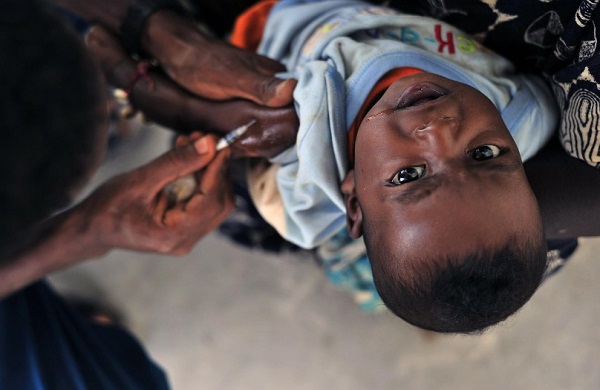
A vaccine is a drug/injection given to a person to make him/her develop immunity against a disease...
A vaccine is a drug/injection given to a person to make him/her develop immunity against a disease, such that when/if the person is exposed to the disease, he / she does not catch it.
Thank you for reading this post, don't forget to subscribe!
According to the Paediatric Association of Nigeria, more than 200,000 deaths per year in children are preventable through vaccination. Common childhood illnesses preventable include polio, measles, yellow fever, hepatitis, whooping cough, tetanus etc.
Reasons not to immunize a child
The only valid reason is if your child has an allergy/reaction to the vaccine
Other reasons are mere precautions; the baby can be immunized later if
The baby has high fever > 38.0o C
The baby is premature or has very low birth weight
The baby has poor immunity e.g. babies with HIV infection
The baby was diagnosed brain problem
For all these cases, see your baby doctor (pediatrician) before immunization.
The schedule for a baby according to the National Program of Immunization
Fever: a baby can have warm body temperature after taking a vaccine, you can give the baby paracetamol syrup 3 minutes before or after the vaccine. If the temperature is more than 380, please see a doctor.
Injection site swelling: give paracetamol syrup and regularly place cold pack (wrapped in napkin) on the site of injection. If what you have is ice, wrap it in a napkin before placing on the baby’s skin
Your baby may be unsettled or sleepy after immunization