

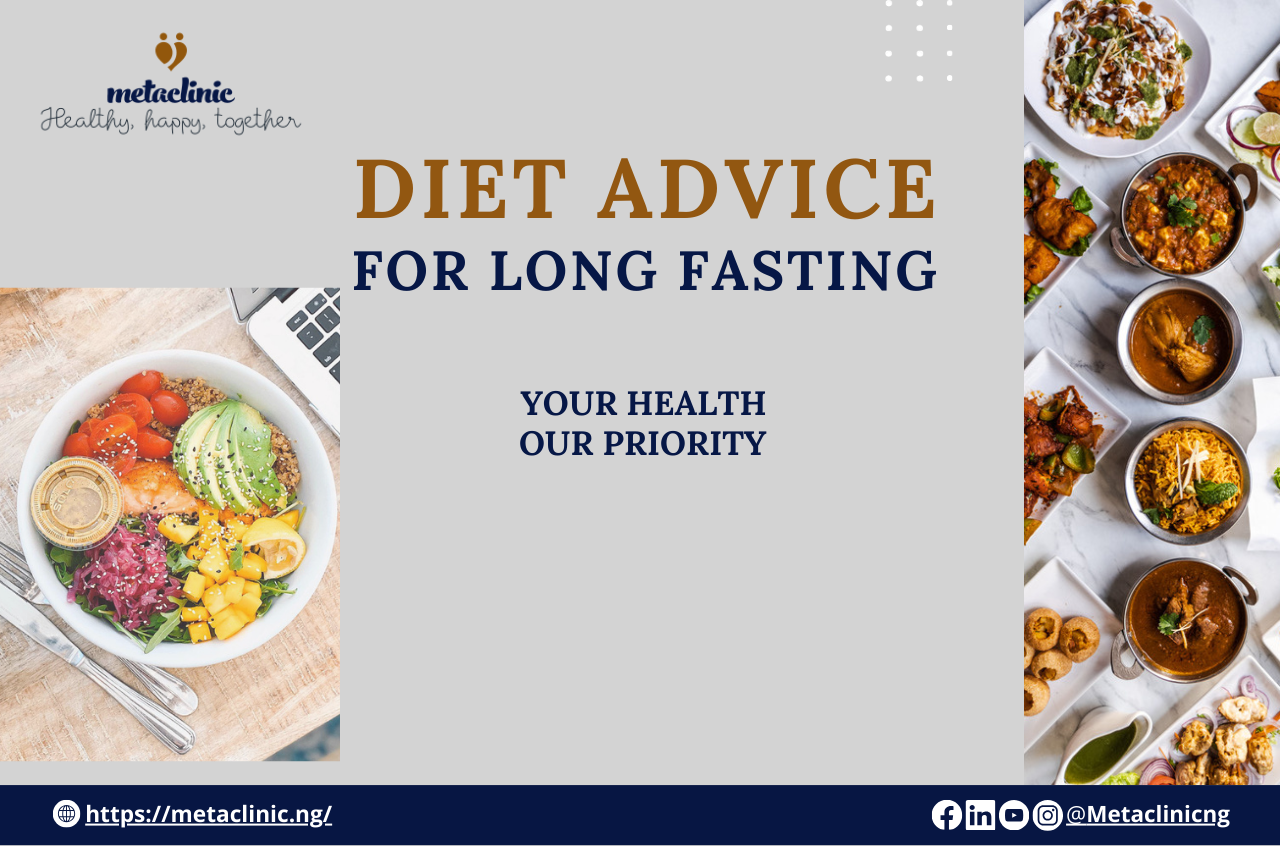
Diet Advice For Long Fasting
Defined as abstinence from all or some foods or drinks for a set period, there are many different ways of fasting. Generally, most fasts are performed over 24–72 hours. Intermittent fasting, on the other hand, involves cycling between periods of eating and fasting, ranging from a few hours to a few days at a time.
Thank you for reading this post, don't forget to subscribe!Here are some Diet Advice For Long Fasting
• Stay Hydrated: Drink plenty of water throughout the fasting period to prevent dehydration. Water is essential for various bodily functions, and adequate hydration is crucial for overall health.
• Electrolyte Balance: Break your fast with rich beverages (e.g. Milo) and fruits with high water content (like watermelon, and oranges). This can help maintain electrolyte balance and prevent imbalances caused by dehydration.
• Gradual Transition: If you don’t fast often, you can gradually transition by first experimenting with shorter fasting durations and gradually extending them over time. This allows your body to adapt more comfortably.
• Nutrient-Dense Foods: Eat food rich in protein, fat, and whole grains 30-60 minutes after you have had your beverage or fruits. Include meat, oily fish, eggs, and vegetables in your diet. Protein in your meals to support muscle maintenance and repair.
• Avoid Overeating: When breaking your fast, avoid overeating. Start with smaller meals and allow your digestive system to adjust gradually. Overeating can lead to discomfort and digestive issues.
• Avoid Sugary Foods: Minimize the intake of sugary foods and refined carbohydrates. These can lead to rapid spikes and crashes in blood sugar levels.
• Listen to Your Body: Pay attention to your body’s signals during prolonged fasting. If you experience dizziness, weakness, or any other adverse effects, consider breaking your fast and seeking medical advice.
• Medications: Speak to your doctor about your medications. You may have to reduce your dose for people on diabetic medications, depending on the type of diabetes and the type of medication you are taking. You can continue your hypertensive medication except your doctor advises otherwise.
If you have a gastric ulcer or are prone to having it, you are advised to do shorter fasting and avoid spicy and fried foods. You can use daily lansoprazole 30mg to help reduce the acid in your tummy. Stay Healthy always with Metaclinic.
• Refeeding Period: After the fasting period, gradually reintroduce regular meals to avoid overwhelming your digestive system.


