

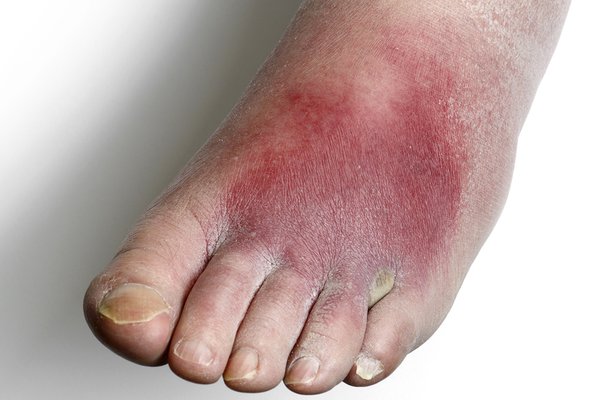
CELLULITIS
Cellulitis is the inflammation of the skin and subcutaneous tissues due to a bacterial infection.
Thank you for reading this post, don't forget to subscribe!The affected area is usually swollen, painful, and warm to the touch.
Cellulitis usually affects the lower legs but can affect the face, arms, and other areas.
It is caused by infection with the bacteria staphylococcus or streptococcus and is not contagious (does not spread from person to person). These bacteria get in through a break in the skin (sometimes this injury may be very tiny and unnoticeable).
The bacteria are likely to enter dry, broken, swollen, and flaky skin such as as recent surgical sites, ulcers, injection sites, athlete’s foot, chickenpox, shingles, or dermatitis.
Risk factors include;
– Injury
– The weakened immune system.
– Skin conditions.
– Long-term swelling of arms and legs especially after surgery.
– Overweight.
– Previous history of cellulitis.
– Diabetic injury.
Symptoms.
Most symptoms are around the affected area, they include;
– Irritation in the skin that expands.
– Swelling of the affected area.
– Blisters.
– Tenderness.
– Redness.
– Pain.
– Spots.
– Warmth.
– Skin dimpling.
– Fever.
– Chills.
Complications.
If left untreated, cellulitis can spread rapidly into the bloodstream and other body parts and become life-threatening;
– Sepsis (generalized infection throughout the body).
– Bacteremia (Bacteria in the blood).
– Endocarditis (inflammation of the inner lining of the heart).
– Osteomyelitis (bone infection).
– Shock.
– Thrombophlebitis (inflammation of the vein due to a blood clot).
– Rarely, cellulitis can spread to the deep layer of the tissue lining called fascia that lines body organs causing a tissue-eating infection called necrotizing fasciitis, this is an extreme medical emergency.
Prevention.
Your healthcare provider may prescribe preventive antibiotics if you are at higher risk of cellulitis. Other preventive measures are;
– Daily wound care.
– Apply the prescribed protective cream or ointment to the wound surface.
– With open wounds avoid hot tubs, swimming pools, and natural water bodies (rivers, lakes, etc.).
– Cover the wound with a bandage and change daily.
– Observe for signs of infection.
People with diabetes mellitus or poor circulation need extra precautions to prevent skin injury;
– Inspect feet daily.
– Moisturize skin regularly.
– Regular trimming of fingers and toenails carefully.
– Protect hands and feet with footwear and gloves necessary for risky activities.
– Prompt treatment of infections.
Treatment is usually with prescribed antibiotics.
Seek medical attention when you have a puncture or serious deep wounds.


