

Kerosine Ingestion: What You Should Know
Kerosine ingestion is also known as paraffin ingestion.
Thank you for reading this post, don't forget to subscribe!Kerosine is an oily petroleum product used domestically as fuel for lamps, heating or cooking and commercially in paint products and pesticides. It is a poisonous product that can be harmful to the body if taken in.
Kerosine ingestion can be intentional or accidental. It occurs mostly in children but can also occur in adults.
Most accidental ingestion is due to use for cooking purposes and storage in beverage bottles.
It can also interact with other body substances causing unpleasant effects.
Signs and symptoms.
These may vary for different persons. Symptoms may be mild or severe especially depending on the amount of consumption. Symptoms affect different systems depending on mode of consumption; either through inhalation, swallowing, skin contact or eye contact.
– Burning and associated pain in the mouth, throat, and food pipe (oesophagus); this may affect the nose, ears, and eyes
– Breathing issues, if the chemical is inhaled; inhalation of large quantities may result in dizziness, vomiting, headaches, lack of coordination, restlessness, drowsiness, etc.
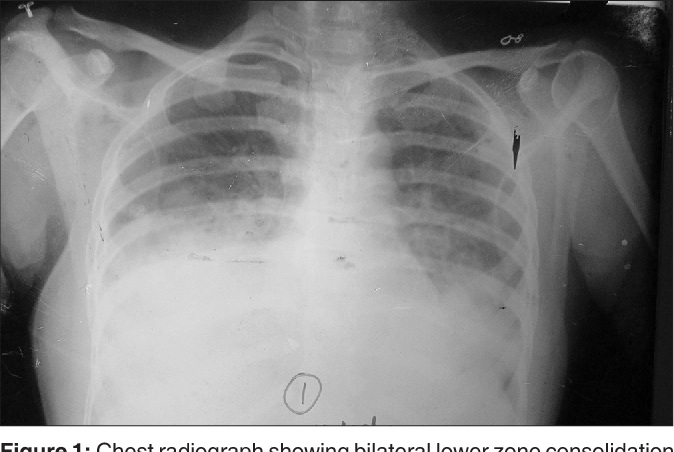
There could also be symptoms of aspiration pneumonia if liquid from the food pipe gets into the lungs; coughing, and shortness of breath.
– Throat inflammation may cause difficulty in swallowing, and breathing.
– Skin burns on skin contact.
– Eye exposure may cause immediate stinging or burning sensation; tearing of the eye and even loss of vision.
– Headache and weakness.
– Nausea, bloody vomiting.
– Bloody diarrhoea.
– Abdominal pain.
– Sudden reduction in blood pressure (hypotension).
– Low level of alertness or response
– Individuals act ‘drunk’
– Convulsion.
– Collapse
Complications.
– Lungs: Lung collapse, narrowing of the airway, fluid in the lungs, bleeding, blood clotting, death of lung tissue.
– Stomach ulcers.
– Liver: Infiltration of fats.
– Heart: Decay of heart muscles.
– Kidney: Kidney swelling.
– Breakdown of blood cells.
First Aid.
– Call for help.
– Note the amount of the kerosene ingested and the time.
– Remove the individual from the exposure area to a place with fresh air.
– Remove tight clothing to enhance breathing.
– Place the individual to sit upright in a comfortable position. Do not make them lie down.
– If unconscious, place them to lie on one side to prevent fluid from getting into the lungs.
– Confirm for pulse.
– If clothes are soiled or smelling of kerosine, take them off immediately.
– If there is skin contact, wash the affected area thoroughly with soap and water.
– If there’s contact with the eyes, wash thoroughly with lots of water for at least 10 – 15 minutes.
– DO NOT induce vomiting as this could lead to fluid in the lungs.
– Take the patient to the nearest hospital.
– Take with you, the bottle of the kerosene ingested.
Kerosene ingestion is usually confirmed by the presenting symptoms and scan tests.
Common treatment.
– First-line treatment is by stabilising the airways and vital signs monitoring.
– Intravenous fluids are sometimes given.
– In severe cases, specific antibiotics may be given.
Prevention of Kerosine ingestion/poisoning.
– Kerosene for domestic purposes should be kept out of children’s reach and away from the cooking area.
– Kerosene containers should be boldly labelled.
– Avoid storage in beverage bottles.
The majority of patients become normal after kerosene poisoning, only a few patients have lung infections, abnormal lung function or death.


