

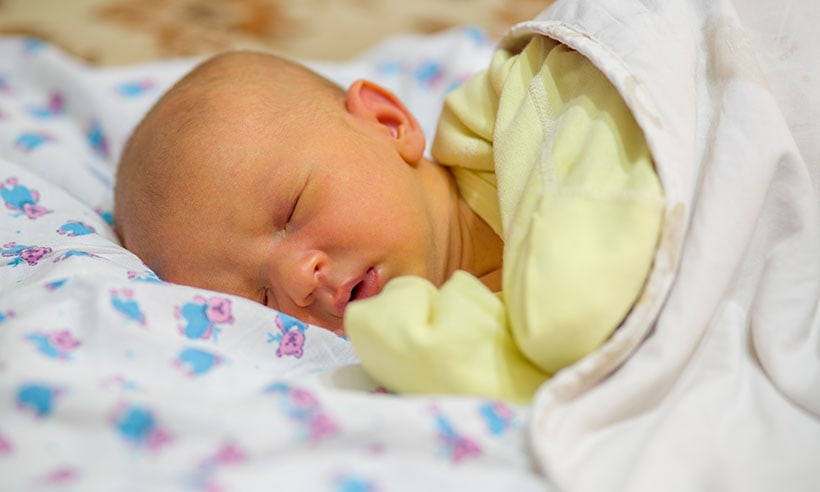
Jaundice in Pregnancy: What you should know
Jaundice is the yellowing of the skin and eyes due to high levels of a yellow pigment in the blood called bilirubin. It is usually produced as a waste product after the breakdown of old or abnormal red blood cells and is excreted in bile and urine, the liver does this major work. An excess of bilirubin in the blood shows there’s something wrong with the liver or other abnormalities.
Thank you for reading this post, don't forget to subscribe!Jaundice is a rare condition in pregnancy and can occur at any time in pregnancy and is capable of causing complications in the mother and baby.
Causes.
In a few cases, the exact cause may be unknown.
– Excessive vomiting especially in early pregnancy.
– Liver damage from infections.
– Drug toxicity.
– Excessive breakdown of red blood cells.
– Obstruction in the flow of bile and slow movement of bile.
– Pre-eclampsia.
– Reduced blood clotting cells.
– Viral Hepatitis.
– Hepatitis B and C.
– Acute fatty liver disease in pregnancy.
– Other liver conditions.
Symptoms.
– Nausea and vomiting.
– Yellowing of the skin and eyes, nail beds, and even lips.
– Red patches on the skin.
– Loss of appetite.
– Weakness.
– Dark yellowish urine.
– Clay-colored stools.
– Weightloss.
– Fever in cases of infection.
– Severe itching of the skin.
– Pain in the upper abdomen.
– Mental confusion.
– Delirium.
– Reduced consciousness.
– In severe liver conditions, generalized swelling.
Jaundice in pregnancy is confirmed in the hospital by observation mostly during antenatal clinic visits and by further tests such as;
– Liver function tests
– Ultrasound scans.
– Other blood tests to determine the cause of jaundice.
Treatment.
Treatment is usually to tackle the cause in cases of liver diseases, infections, and blockage of bile flow.
– Bed rest.
– Drips to increase hydration.
– Adequate nutrition.
– Drugs to manage fever, pain, and vomiting.
– Antibiotics to treat or prevent more infections.
– For some women, pre-term delivery is planned.
– Surgery in cases of obstruction in the flow of bile.
Complications.
Mother:
– Risk of heavy bleeding before and after delivery.
– Placental separation.
– Pre-term labour.
– Impaired brain function.
– Blood transfusion.
– Kidney failure.
– Liver failure and death.
Baby:
– Pre-term baby.
– Fetal distress.
– Reduced oxygen supply to the baby.
– Small baby.
– Jaundice in the baby.
– Brain damage.
– Cerebral palsy.
– Stillbirth.
Prevention.
– Avoid eating roadside and contaminated food like rotten fruits during pregnancy.
– Regular attendance of antenatal clinic.
– Take recommended vaccines including the Hepatitis B vaccine.
– Adequate nutrition with reduced intake of fats and oily foods.
– Regular exercise.
– Maintain a healthy weight to avoid fatty liver disease.
– Avoid self-medication and use of herbs.
– Avoid alcohol consumption.
– Food hygiene; wash hands before and after meals, wash food stuff properly, and cook properly except for vegetables.
– Avoid canned and processed foods.
– Avoid high-risk sexual intercourse (multiple sexual partners or unprotected sexual intercourse with an unscreened partner).


