

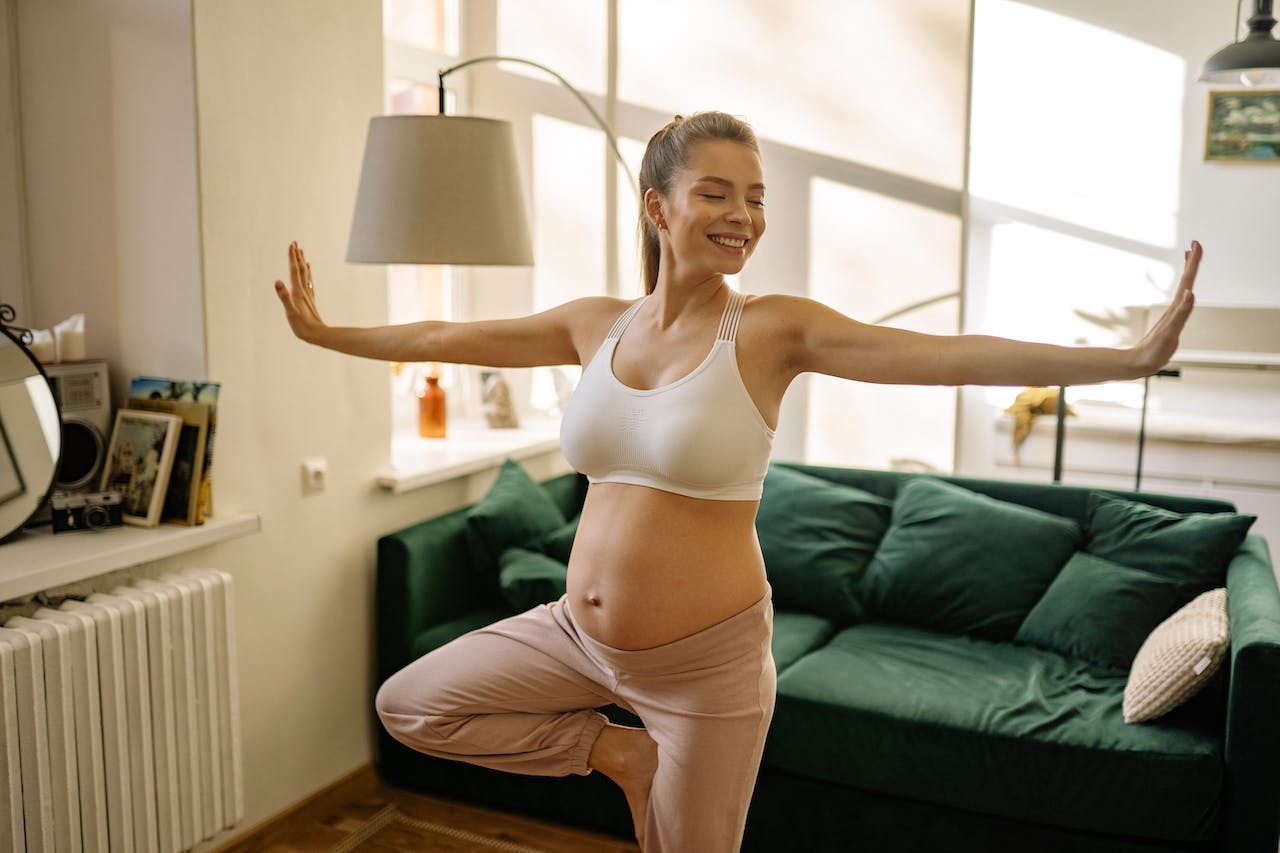
Exercise During Pregnancy: What You Should Know
Exercise during pregnancy can have many benefits, such as easing aches and pains, preventing excessive weight gain, and improving your mood and well-being. However, not all exercises are safe or suitable for pregnant people, so it’s important to consult your doctor before starting or continuing any physical activity.
Thank you for reading this post, don't forget to subscribe!According to the health search results from my tool, some of the recommended pregnancy exercises are:
– Cardio exercises: such as walking, swimming, jogging, and stationary cycling. These can help improve your heart health, blood circulation, and stamina. Aim for at least 150 minutes of moderate-intensity aerobic activity each week unless your doctor advises otherwise. 
– Stretching exercises: such as pectoral stretch, pyriformis stretch, hamstring stretch, calf stretch, butterfly pose, squats, and push-ups. These can help improve your flexibility, muscle tone, and posture. They can also reduce muscle tension and cramps. Do these exercises gently and slowly and avoid overstretching or bouncing. 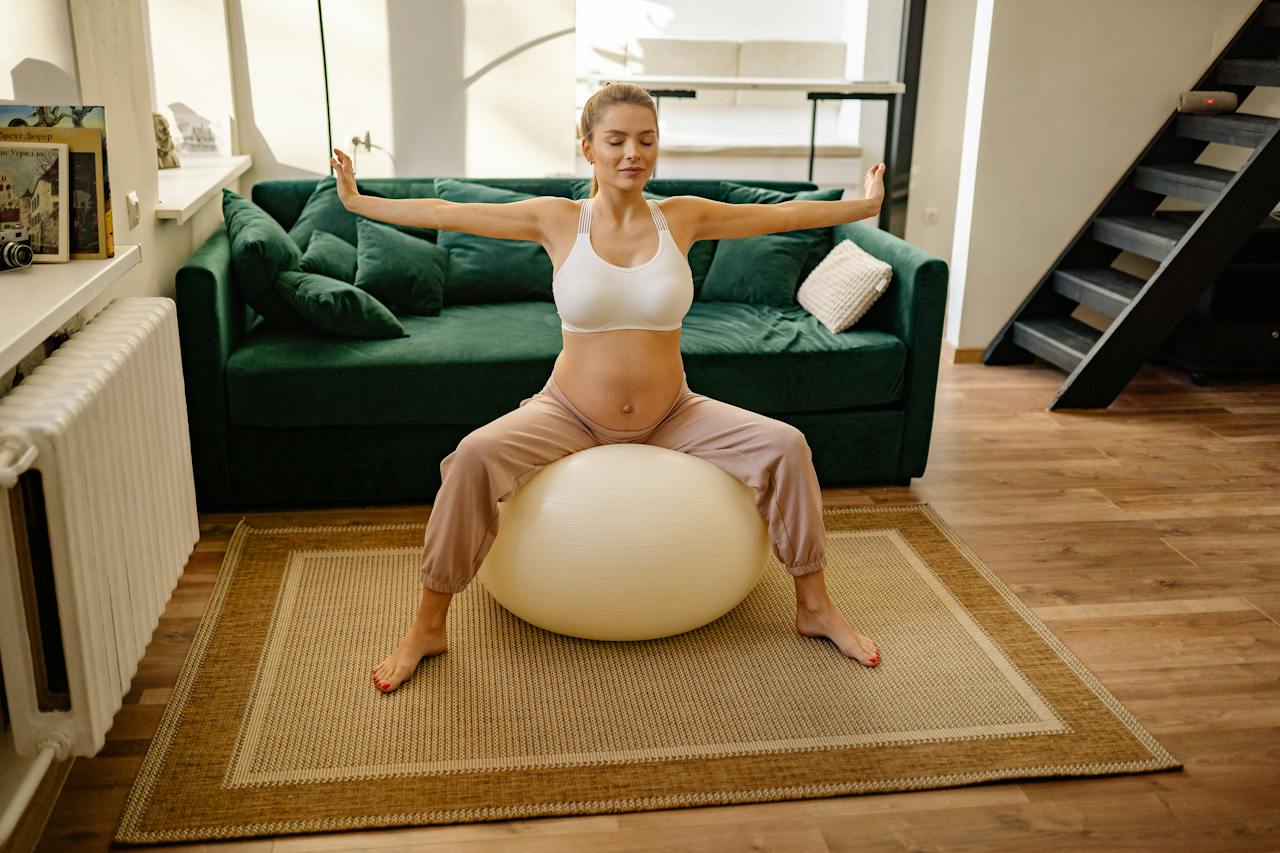
– Core and pelvic floor exercises: such as leg raises, wall pushups, and kegels. These can help strengthen the muscles that support your uterus, bladder, and bowels. They can also help you prepare for labor and delivery and prevent urinary incontinence and pelvic organ prolapse. Focus on your breathing and alignment and avoid straining or holding your breath.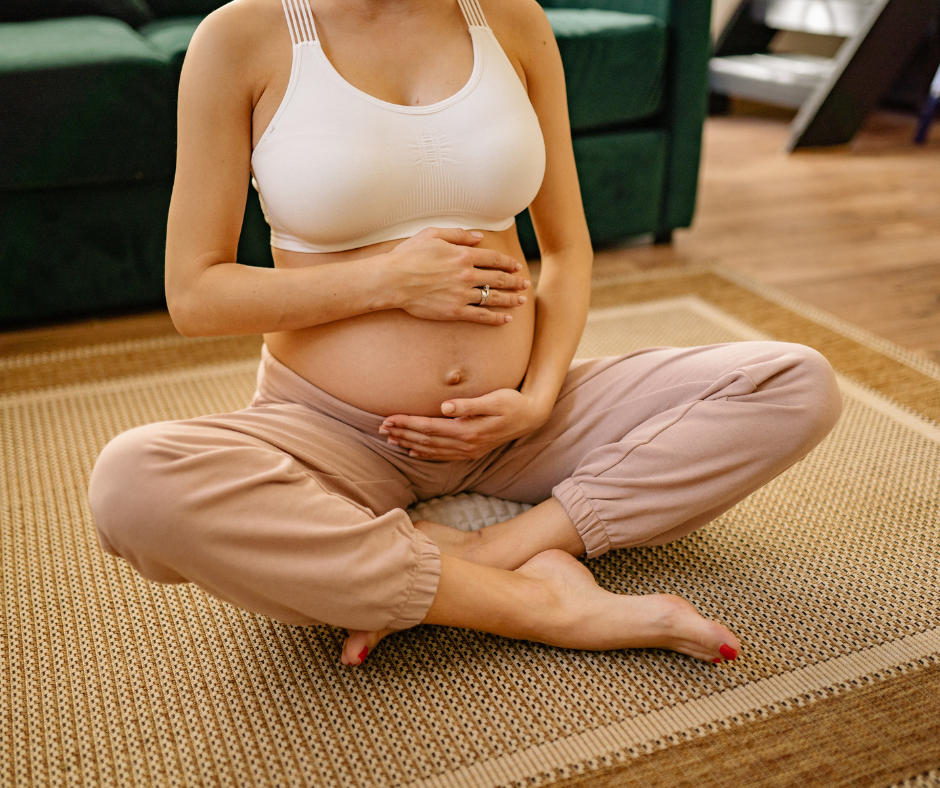
You can also try some exercises with a fitness ball, such as squats or pelvic tilts. These can help open your pelvis and relieve pressure on your lower back. However, be careful not to lose your balance or fall, and have someone nearby to assist you if needed.
Some exercises to avoid during pregnancy are
– Contact sports: such as soccer, basketball, hockey, and boxing. These can increase the risk of injury, trauma, or bleeding.
– Hot yoga or pilates: or any exercise that raises your body temperature too high. This can cause dehydration, overheating, or heat exhaustion, which can harm you and your baby.
– Lying flat on your back: especially after the first trimester. This can reduce blood flow to your uterus and make you feel dizzy or nauseous.
– Activities that involve high altitude, deep water, or rapid changes in pressure, such as skiing, scuba diving, or skydiving. These can affect the oxygen supply to your baby and cause complications.
You can also read about one of our article Vomiting During Pregnancy
Remember to always listen to your body and stop exercising if you feel any pain, discomfort, or warning signs, such as bleeding, contractions, or decreased fetal movement. Drink plenty of water, wear comfortable clothing, and take breaks as needed. You can also modify or scale back your exercises as your pregnancy progresses and your body changes.
I hope this information helps you find the best and right exercises for you and your baby.
Stay Safe and Healthy!
Always Remember that Your Health is Our Priority!


