

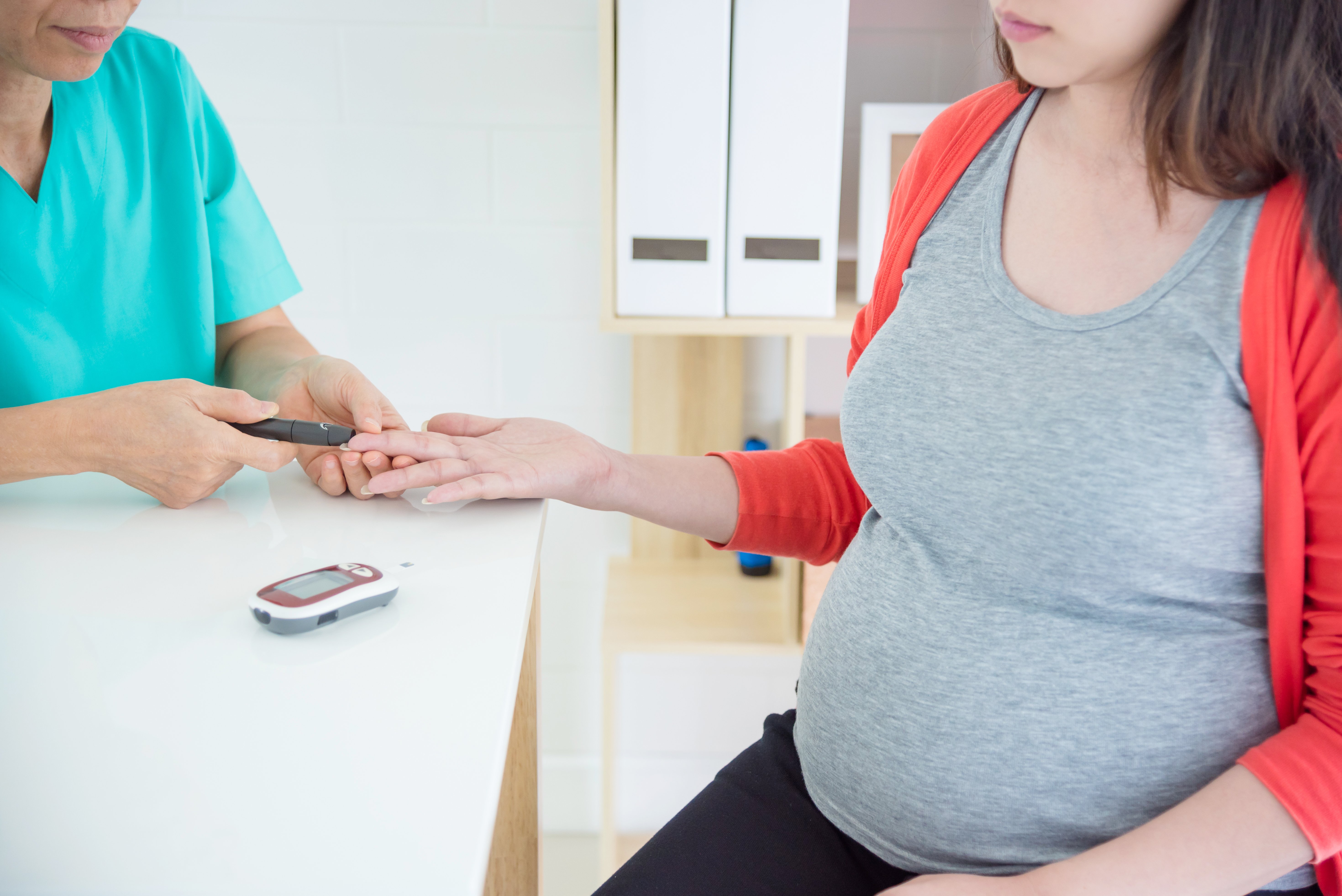
Diabetes in Pregnancy
Introduction
Thank you for reading this post, don't forget to subscribe!Diabetes, or high blood and body sugar accumulation, can also occur in pregnancy. It is called gestational diabetes mellitus and happens to some women who are previously or prior to the pregnancy not known to have the condition. So it must be happening for the first time to be termed gestational diabetes. It is not known what exactly causes this problem, but it is found that women with some risk factors are more likely to have it.
Risk Factors
A woman who has these factors is very much prone to have diabetes during pregnancy
- Has a close family member with diabetes mellitus
- Is overweight or fat
- Has a condition called polycystic ovaries, or multiple water-sacs on the ovaries (diagnosed by an ultrasound scan)
- Being African or African-American
- Being above 35 years
- Gestational diabetes in a previous pregnancy
How it is diagnosed
There is usually no symptom, but rarely do some pregnant women experience the classical symptoms of diabetes which are excessive thirst, excessive drinking of water, and excessive urination. There can also be feelings of dizziness and blurred vision occasionally.
All pregnant women who attend ante-natal care (ANC) whether they have symptoms or not, routinely have their blood and urine samples tested for high sugar. This is called screening. If any or both of these tests return suspicious, another definitive test called the Oral Glucose Tolerance Test (OGTT) is scheduled. This test is done in the morning in the hospital and the woman should not have her normal breakfast before it is done. The test involves drinking sugary water on an empty stomach and blood samples are then taken at hourly intervals to check sugar levels. If there is gestational diabetes, the test result will be abnormal.
How it is treated
Gestational diabetes is first treated with lifestyle modification meaning dietary and exercise advice. The woman is advised to stay on a low-sugar diet throughout the rest of the pregnancy duration and exercise frequently. Low sugar diet means little or no sugar in drinks such as tea or pap, no high sugary drinks such as soft drinks, and no high glucose-containing foods (foods with high-glycemic index) such as rice and cereals but low glucose-containing foods (foods with low-glycemic index such as beans and lentils, vegetables, whole wheat, cassava flour (garri), acca, etc. This plan is monitored by a series of blood and urine tests to check if it is working.
If this fails, insulin injections rather than oral medications are instituted, because oral medicines are incompatible with the continuous healthy well-being of the baby, meaning they can harm the baby. In addition, the mother is to continue with lifestyle management as scheduled together with insulin therapy. This combination of insulin therapy, exercise, and dietary management usually works out well. The blood sugar monitoring is continued even after delivery before treatment is stopped.
Complications
There are fears that pregnant women with gestational diabetes will develop type 2 diabetes in the future. There is also a chance that the baby she is carrying will be very big as to warrant an elective caesarian section.
Prevention
Some evidence exists that supplemental vitamin D during pregnancy for at-risk women may prevent gestational diabetes. Also, as discussed in the management, diet modification and exercise are suitable ways to employ in preventing gestational diabetes in those at risk.


