

Measles: Causes, Symptoms, Prevention, and Treatment
Measles is a highly contagious viral infection that primarily affects children under 5 years of age. It remains a leading cause of preventable illness and death among young children, especially in areas with low vaccination coverage. This article provides comprehensive information about measles symptoms in children, how it spreads, treatment options, and effective prevention strategies.
Thank you for reading this post, don't forget to subscribe!What is Measles?
Measles is an infection caused by the Measles virus (a member of the paramyxovirus family). The virus targets the respiratory system and can rapidly spread through communities, especially in overcrowded or poorly ventilated spaces. Understanding the causes of measles infection is vital to controlling its spread.
How Does Measles Spread?
If you’ve ever wondered, how does measles spread? Here’s what you need to know:
- Contact with an Infected Person: Direct physical contact with someone who has measles can transmit the virus.
- Airborne Transmission: The virus spreads through tiny droplets released when an infected person coughs or sneezes.
- Crowded Environments: Overcrowding increases the risk of infection as the virus spreads more easily in close quarters.
The measles virus remains active and contagious in the air or on surfaces for up to two hours, making it one of the most infectious diseases in the world.
What are the Symptoms of Measles?
Identifying measles symptoms in children early is crucial for effective management. Symptoms usually appear 10–14 days after exposure to the virus.
- Initial Symptoms:
- High fever (can reach 104°F or higher)
- Weakness and poor appetiteRunny nose and persistent cough
- Red, watery eyes (conjunctivitis)
- Progressive Symptoms:
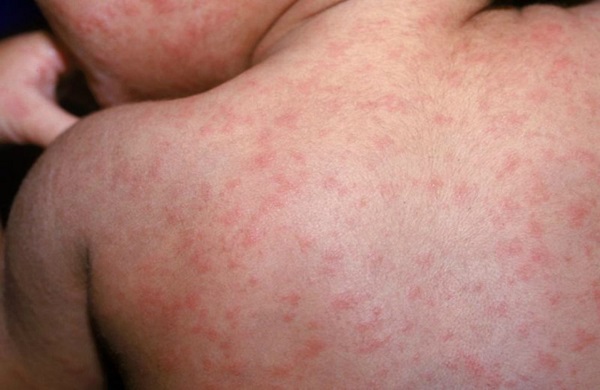
- Skin Rash: Appears 2–4 days after the initial symptoms, starting on the head and face and spreading to other parts of the body.Diarrhea and vomiting
- Ear pain or discharge (caused by secondary infections)
Potential Complications of Measles
Complications of measles, particularly in malnourished or unvaccinated children, can be severe:
- Pneumonia (a leading cause of measles-related deaths)
- Encephalitis (brain inflammation)
- Severe dehydration from diarrhea and vomiting
- Ear infections, which can result in hearing loss
These complications of measles in children underscore the importance of prevention and early treatment.
What You Can Do if Symptoms Appear
If you suspect measles symptoms in children, take the following steps immediately:
- Isolate the Sick Child: Limit contact with other children to prevent the spread of the virus.
- Seek Medical Attention: Visit a healthcare provider for tests and appropriate treatment.
Treatment Options for Measles
Although there is no specific antiviral treatment for measles, supportive care can help manage symptoms and prevent complications:
- Fever Management: Use over-the-counter medications like paracetamol or ibuprofen to reduce fever.
- Skin Soothing: Apply calamine lotion to relieve itching from the rash.
- Vitamin A Supplementation: Administering oral Vitamin A can reduce the severity of symptoms and complications.
- Hospitalization: Severe cases may require hospital admission for intravenous fluids, antibiotics (for secondary infections), or oxygen therapy.
Timely treatment ensures better recovery and reduces the risk of serious complications.
How to Prevent Measles
Prevention is the most effective strategy to combat measles. Here’s how to protect your child from causes of measles infection:
- Immunization:
- Vaccination is the most reliable way to prevent measles.
- The measles vaccine is administered at 9 months of age and as part of the MMR (measles, mumps, rubella) vaccine.
- Avoid Overcrowded Areas:
- Limit exposure to crowded or poorly ventilated spaces, especially during outbreaks.
- Promote Good Nutrition:
- Adequate nutrition strengthens the immune system and reduces the risk of severe complications.
Why Vaccination is Key
The measles vaccine has been proven safe and effective. According to the World Health Organization (WHO), global measles vaccination has prevented over 23 million deaths since 2000. Immunizing children not only protects them but also contributes to community immunity, reducing the spread of the virus.
Final Thoughts
Measles is a preventable yet serious illness. Early recognition of measles symptoms in children, timely treatment, and vaccination are critical to reducing its impact. Protect your children by ensuring they receive the measles vaccine and by practicing good hygiene and nutrition.
Stay informed and stay protected!


